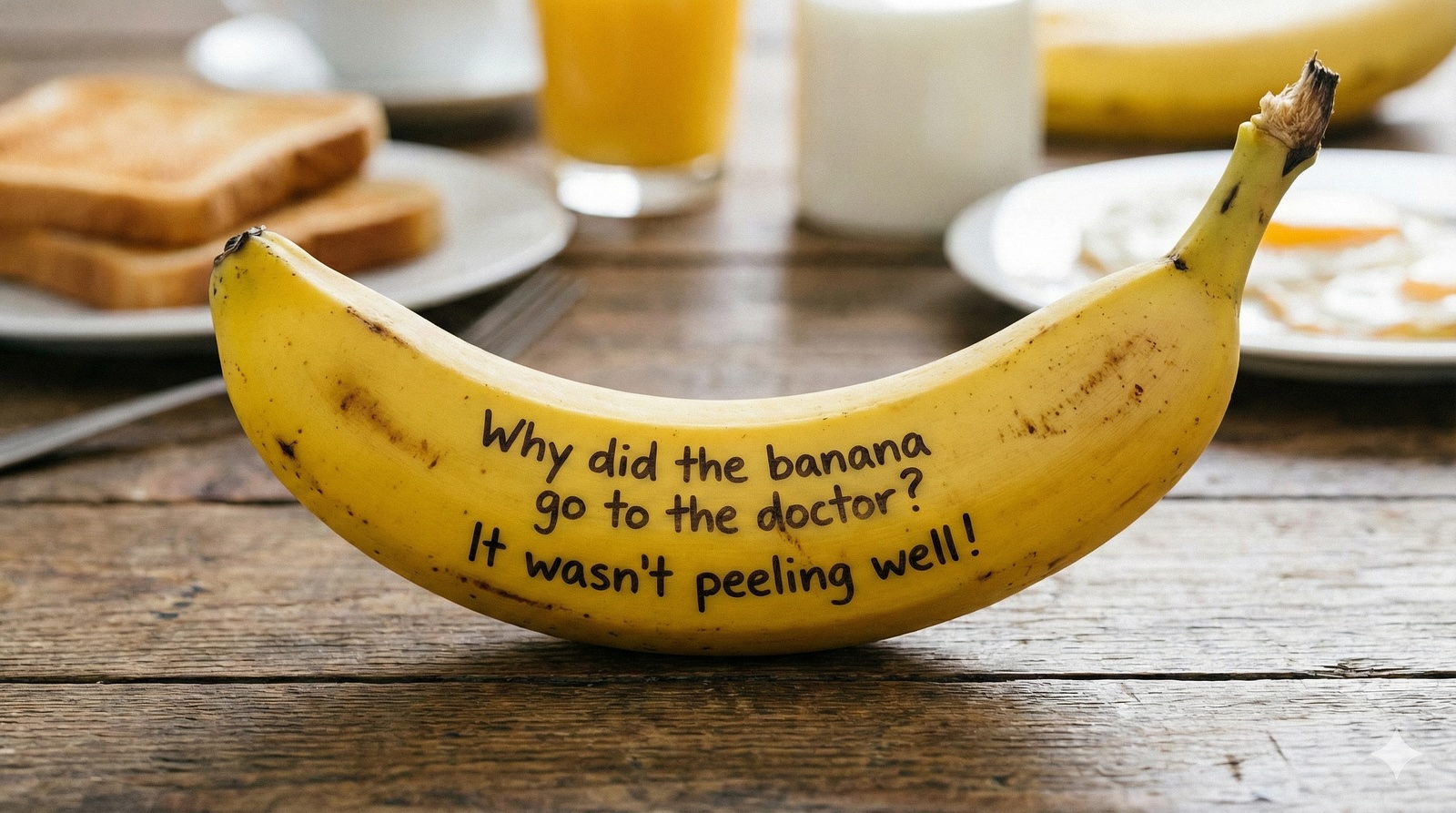
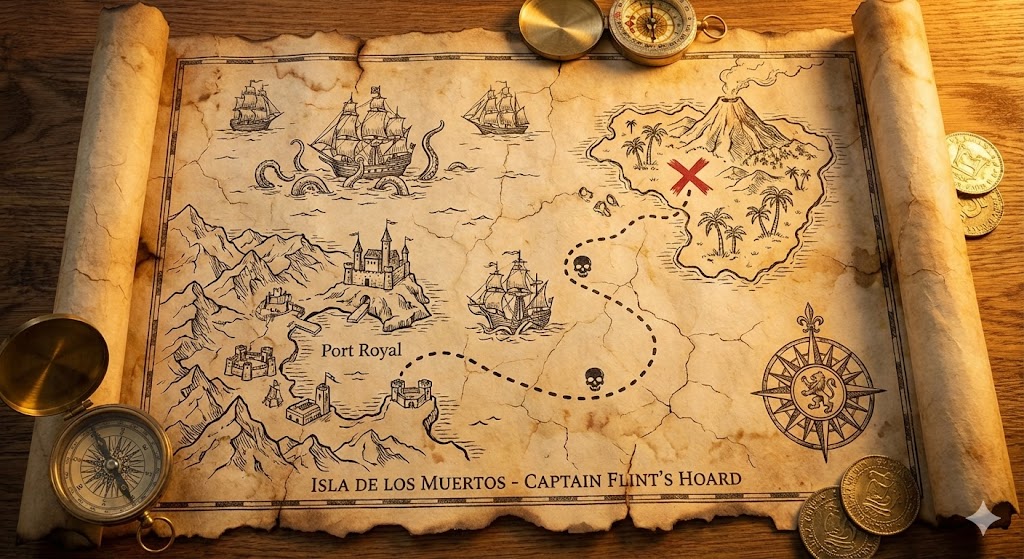
AI image generators transform text descriptions into visual content using advanced diffusion models and neural networks. From photorealistic renders to artistic illustrations, these tools empower creators, designers, and marketers to produce professional-grade imagery without traditional design skills.

When choosing an AI image generator, consider output quality and resolution, style versatility (photorealism vs. illustration), prompt accuracy, generation speed, commercial usage rights, and pricing structure. The best tool depends on your specific needs—whether creating marketing materials, concept art, or exploring creative possibilities.

Quick Jump to:

6

Alibaba WAN 2.5

Multimodal platform for cinematic image generation and editing by Alibaba
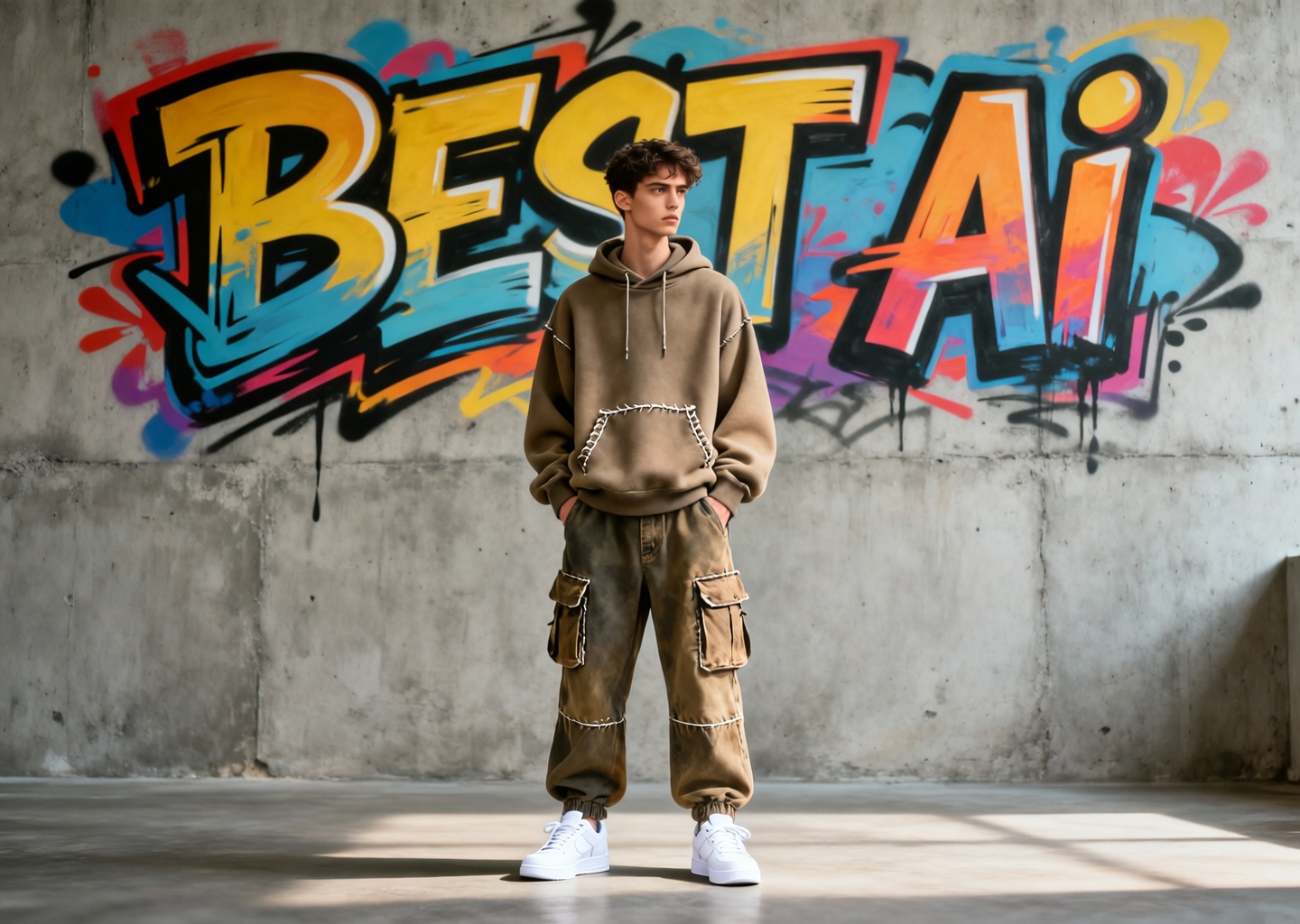
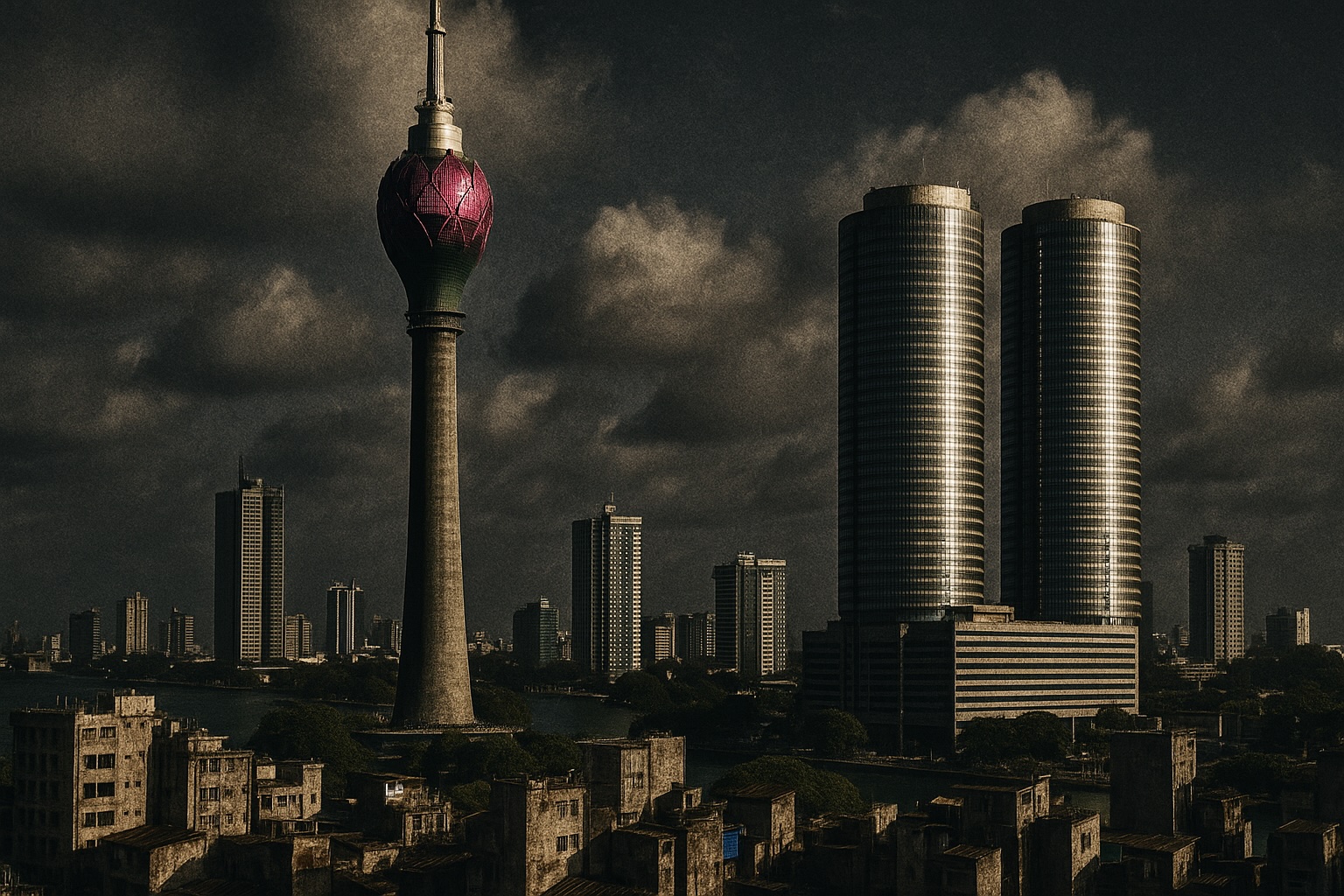
Alibaba’s WAN 2.5 image-generation model focuses on producing high-detail still images across a wide range of styles. It supports multiple output resolutions, including high-resolution formats and common aspect ratios such as 16:9, 9:16, and 1:1. The model is generally recognized for its ability to generate clean, consistent compositions with good texture rendering and stable lighting, making it useful for concept art, product visuals, and character illustration. WAN 2.5 handles detailed prompts reliably and tends to follow structural instructions well, which helps when working on scenes that need clear layout or recognizable objects.

A notable aspect of WAN 2.5 is its flexibility in adapting to different artistic styles, from photorealistic outputs to anime, stylized illustration, or painterly looks. It also includes multilingual prompt support and can generate text within images in several languages, including Chinese, English, and other major non-Latin scripts. This makes it suitable for use cases where cultural or linguistic accuracy matters. While absolute realism can vary depending on the scene, WAN 2.5 provides a balanced combination of style range, prompt adherence, and accessible pricing, making it a practical option for many creative workflows involving static images.

Key Features:

  • High-resolution image generation with multiple aspect ratios
  • Reliable prompt adherence and consistent scene structure
  • Flexible style range: photorealistic, anime, illustration, stylized art
  • Multilingual text-to-image support, including non-Latin scripts
  • Good text-in-image rendering for signage, labels, and simple layouts
  • Suitable for concept art, product visuals, and character design
Try Alibaba WAN
5

OpenAI GPT-5

Multimodal AI with advanced image generation built into the biggest Chatbot

ChatGPT’s built-in image generator (powered by the gpt-image-1 model) focuses on reliable prompt interpretation and clean visual output. The model performs well across a wide range of creative tasks, handling both realistic and stylized imagery with consistent quality. It is often praised for producing coherent compositions, natural lighting, and visually polished results without requiring many retries. Compared to many alternative generators, GPT-Image-1 delivers stable, predictable images that are well suited for mockups, concept sketches, marketing layouts, and general creative exploration.

A strength noted by many reviewers is the model's versatility: it can shift between artistic styles, understand complex or detailed prompts, and maintain good structure in most everyday scenes. GPT-Image-1 also handles text inside images more reliably than many older or competing models, which makes it useful for posters, product labels, UI drafts, or simple branding concepts. While it is not the top performer for hyper-realistic portraits or scenes with very tight geometric constraints, it provides a balanced mix of quality, flexibility, and accuracy that works well for a broad range of practical use cases.

Key Features:

  • Strong prompt fidelity and reliable interpretation of complex prompts
  • Clean, coherent rendering with natural lighting and stable structure
  • Versatile across styles: photorealistic, illustrative, stylized, and more
  • Good text-in-image performance for posters, labels, and UI mockups
  • Supports iterative refinement and conversational editing
Try GPT-5
4

ImagineArt 1.5

Creative platform with ultra-realistic generation and own image models

ImagineArt is a comprehensive AI image generation platform that has carved out a niche for delivering ultra-realistic visuals with exceptional detail. The platform provides access to multiple AI models, allowing creators to choose the best engine for their specific needs - whether that's photorealism, artistic styles, or specialized outputs. ImagineArt's standout feature is its remarkable prompt accuracy, translating even complex, detailed descriptions into images that closely match your vision.

ImagineArt 1.5 focuses on improving realism, prompt accuracy, and visual consistency across different styles. The model produces highly detailed images with natural lighting, realistic skin and fabric textures, and more accurate color rendering than previous versions. It also performs well with complex prompts, often generating the intended composition without requiring multiple retries. ImagineArt 1.5 handles text inside images reliably, which makes it useful for posters, branding, UI screens, or marketing visuals. In addition, the model supports reference images and multimodal prompting, allowing users to guide composition, style, or color themes across a set of related images. These features make ImagineArt 1.5 a flexible tool for creating photorealistic scenes, concept art, or stylized illustrations.

Key Features:

  • Ultra-realistic image generation with fine detail
  • Multiple AI models for diverse creative needs
  • Exceptional prompt accuracy and interpretation
  • Superior text rendering within images
  • Comprehensive editing tools and style transfer
Try ImagineArt Learn More
3

Seedream 4.0 - All in One Image Engine

Unified generation and editing with exceptional quality

ByteDance, the company behind TikTok, has entered the AI image generation race with Seedream 4.0, and the results are turning heads. Unlike competitors that separate generation from editing, Seedream 4.0 combines both into a single unified architecture. Create an image, then refine it endlessly without switching tools or losing quality along the way.

Seedream 4.0 is available through multiple channels with varying pricing. BytePlus ModelArk offers API access with plan dependent pricing and trial credits. Third party platforms provide additional options: Krea offers direct access, Runcomfy provides a playground with credit based generation, and CapCut Web integrates Seedream 4.0 into its design tools. Several platforms offer free trials upon registration.

The unified architecture is the headline feature. Upload multiple reference images and generate several outputs in one go, maintaining consistency across all of them. Edit with plain language commands like "remove the boy in this picture" or "replace this dog with a Schnauzer" and watch the model execute precisely. It handles complex text editing while preserving fonts, colors, and alignment. The knowledge driven generation stands out for educational content: request a timeline of Chinese dynasties with icons, mathematical equations with solution steps, or infographics pulling from real world facts. The model reasons through these requests rather than just pattern matching.

Seedream 4.0 accepts text prompts, single images, multiple reference images, or any combination. Native support for control signals like depth maps and edge detection means no external tools required. Access happens through BytePlus ModelArk API, Replicate, Krea, Runcomfy, and CapCut Web.

On the Artificial Analysis Image Arena leaderboard, Seedream 4.0 ranks third with an Elo score of 1,193. The model generates 2K images in approximately 1.8 seconds, over 10x faster than its predecessor. Maximum output reaches 4K resolution. The 12 billion parameter architecture excels at prompt adherence, aesthetic quality, and character consistency across different artistic styles.

Seedream 4.0 launched in September 2025 and is accessible globally through API and third party platforms. CapCut Web integration brings the model directly into video editing workflows.

If your workflow involves iterating on images repeatedly, Seedream 4.0 eliminates the friction of bouncing between generation and editing tools. The combination of speed, 4K output, and intelligent editing makes it particularly suited for e-commerce teams, ad agencies, and content creators who need consistent results at scale.

Best for: E-commerce teams, ad agencies, content creators needing fast iteration and consistent results at scale.

Key Features:

  • Unified generation and editing in one architecture, no tool switching required
  • 2K image generation in 1.8 seconds, over 10x faster than previous version
  • 4K maximum resolution output, first in its class at this detail level
  • Natural language editing preserves fonts, colors, and layout precisely
  • Knowledge driven generation creates accurate educational content and infographics
  • Batch processing handles multiple reference images with consistent output
Try Seedream 4.0
2

FLUX.2 - The Open Weight Challenger

Black Forest Labs' 32B parameter open-weight model rivaling closed systems

Black Forest Labs, founded by the original creators of Stable Diffusion, has released FLUX.2 with a clear message: the best image AI should not live behind closed walls. While Google and OpenAI lock their models away, FLUX.2 ships with open weights for the developer version. The result is a 32 billion parameter model that rivals proprietary systems at a fraction of the cost.

Black Forest Labs uses credit based pricing where 1 credit equals $0.01. FLUX.2 pricing scales with resolution, ranging from $0.01 to $0.04 per image. FLUX.2 [pro] delivers maximum quality through API only. FLUX.2 [flex] exposes tuning parameters for speed and quality tradeoffs. FLUX.2 [dev] offers open weights for non commercial use, free to download. FLUX.2 [klein], coming soon under Apache 2.0, will provide a distilled version for constrained hardware. API access is available through the BFL Playground and partners including FAL, Replicate, Cloudflare, and TogetherAI.

A Mistral 3 vision language model interprets text and image inputs together, grounding generation in real world logic rather than pixel probability alone. Multi reference control lets you feed up to 10 images simultaneously, maintaining character identity or style across hundreds of outputs. The model generates and edits in a single checkpoint. Exact hex code color matching means brand guidelines survive the generation process. Typography produces legible text, infographics, and UI mockups reliably.

FLUX.2 accepts text prompts, single images, multiple references, or combinations. Output reaches 4 megapixels at any aspect ratio. The model handles 32K text input tokens for complex compositions. Run it through BFL API, BFL Playground, or locally using optimized fp8 weights created with NVIDIA and ComfyUI.

On the Artificial Analysis Image Arena, FLUX.2 [pro] achieved an Elo score of 1,203, with [flex] at 1,183 and [dev] at 1,155. Generation hits sub 10 seconds. NVIDIA collaboration produced FP8 quantization reducing VRAM requirements by 40 percent, enabling RTX 4090 users to run locally. ComfyUI weight streaming allows GPUs with 8GB VRAM to operate by offloading to system RAM.

FLUX.2 launched in late November 2025. Weights are on Hugging Face. Reference code lives on GitHub. Commercial licensing is available through the BFL website.

If you believe AI should remain inspectable and customizable, FLUX.2 is the most capable open weight option available. Multi reference consistency, professional typography, and local deployment make it uniquely suited for teams who need control over their creative infrastructure.

Best for: Teams needing open-weight models, local deployment, multi-reference consistency, and professional brand control.

Key Features:

  • Open weights for dev version, inspectable and locally deployable
  • Multi reference control maintains identity across up to 10 input images
  • 4 megapixel output with exact hex code brand color matching
  • 32 billion parameter architecture with FP8 optimization for consumer GPUs
  • Unified generation and editing in a single model checkpoint
  • API pricing from $0.01 per image, dramatically below closed competitors
Try FLUX.2
1

Google Gemini - AI Finally Gets Text Right

Google's multimodal system for generating and editing images

Google has quietly become a powerhouse in AI image generation with two models topping the leaderboards: Nano Banana Pro and Imagen 4. While competitors struggle with garbled text and inconsistent faces, Google's models excel precisely where others fail.

Free Gemini users get limited generations at lower resolution. Google AI Plus costs $4.99 per month with more stable access. Google AI Pro at $19.99 per month unlocks full Nano Banana Pro with higher quotas. Google AI Ultra at $249.99 per month delivers the highest limits plus premium video generation. API pricing runs $0.02 per image for Imagen 4 Fast, $0.04 for standard Imagen 4, and approximately $0.15 for 4K Nano Banana Pro generations.

Nano Banana Pro, powered by Gemini 3 Pro, brings something others cannot match: accurate, legible text in multiple languages directly within images. Create posters, infographics, or comics with properly spelled words rather than AI gibberish. It blends up to 14 input images while maintaining consistency across 5 people. Real time Search grounding generates visuals from current data like weather or recipes. Imagen 4 focuses on photorealistic detail with 2K resolution, capturing textures like fabric, water droplets, and animal fur with remarkable fidelity.

Both models accept text prompts, uploaded images, or combinations. Access happens through the Gemini app, Google AI Studio, Vertex AI, and Google Workspace tools including Slides and Vids. Flow provides filmmaker focused controls for cinematic work.

On the GenAI Bench leaderboard, Nano Banana Pro ranks first with an Elo score of 1,224. Imagen 4 variants follow closely behind. Both outperform Midjourney and DALL-E on preference benchmarks. Nano Banana Pro excels at creative editing and stylized outputs. Imagen 4 delivers professional grade photorealism.

Google embeds SynthID, an invisible digital watermark, into all AI generated images. Free and Pro tier users see a visible Gemini sparkle watermark, while Ultra subscribers get clean outputs. You can upload any image to Gemini and ask whether it was created with Google AI for verification.

The Gemini app works on iOS, Android, and web. Google AI Pro is available in over 150 countries, Ultra in more than 140.

If text accuracy matters for your work, Nano Banana Pro currently has no equal. If photorealistic detail is the priority, Imagen 4 delivers professional results. Integration across Google's ecosystem makes both accessible for casual creators and developers alike.

Best for: Creators needing accurate text in images, photorealistic professional imagery, and seamless Google Workspace integration.

Key Features:

  • Best in class text rendering with accurate spelling in multiple languages
  • Blend up to 14 images while maintaining 5 person consistency
  • Search grounding generates visuals from real time information
  • Imagen 4 produces 2K resolution photorealistic detail
  • SynthID watermarking with in app verification for transparency
  • Native integration across Workspace, Ads, and developer platforms
Try Google Gemini
← Back to All Categories